
Table of Contents
Introduction
Sleep is one of the most important pillars of good health, yet millions of adults struggle to get enough high-quality rest each night. While many people focus on nutrition and exercise to improve their well-being, they often overlook the significant role that sleep plays in maintaining a healthy body and mind. Poor sleep quality doesn’t just leave you feeling tired—it can affect nearly every system in the body, increasing the risk of chronic health conditions over time.
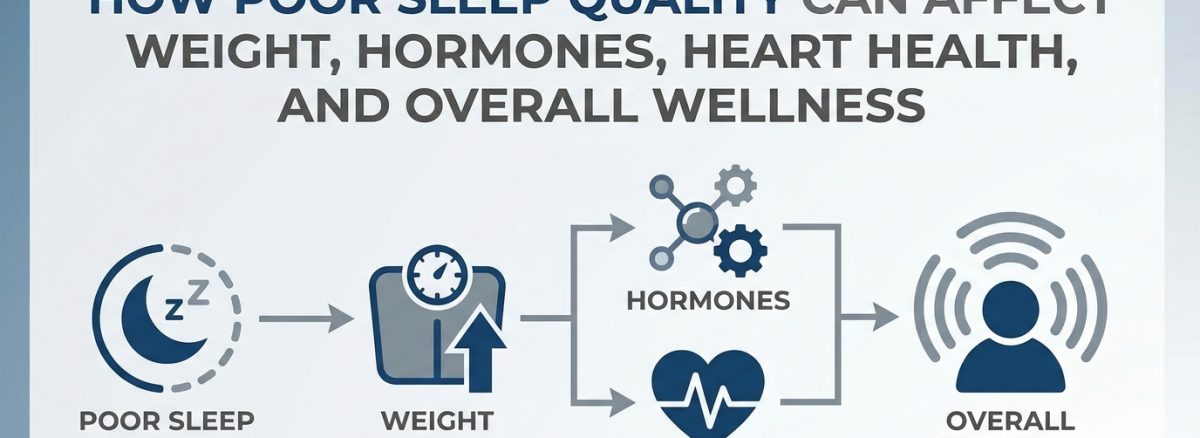
Research has shown that inadequate or disrupted sleep can influence body weight, hormone balance, cardiovascular health, immune function, mental well-being, and overall quality of life. Understanding how sleep impacts your health can help you make informed lifestyle choices and recognize when it may be time to seek professional medical advice.
Why Quality Sleep Matters
Quality sleep allows the body to repair tissues, regulate hormones, strengthen the immune system, and support healthy brain function. During sleep, important biological processes occur that help maintain physical and mental health.
Adults generally benefit from seven to nine hours of quality sleep each night. Consistently getting less sleep or experiencing poor sleep quality may interfere with these essential processes and contribute to long-term health problems.
How Poor Sleep Affects Weight Management
Sleep Influences Hunger and Appetite Hormones
Poor sleep can disrupt the hormones responsible for regulating hunger and fullness. When sleep is limited, the body may produce more ghrelin, the hormone that stimulates appetite, while reducing levels of leptin, which signals fullness.
As a result, individuals may:
- Feel hungrier throughout the day
- Experience stronger cravings for sugary and high-calorie foods
- Eat larger portions
- Snack more frequently
Over time, these habits can contribute to weight gain and make healthy weight management more challenging.
Reduced Energy for Physical Activity
Lack of sleep often causes fatigue and reduced motivation, making regular exercise more difficult. Lower physical activity levels combined with increased calorie intake can further increase the risk of obesity.
The Connection Between Sleep and Hormonal Balance
Healthy Hormones Depend on Healthy Sleep
Sleep plays an essential role in regulating many hormones that affect metabolism, growth, stress, and reproductive health.
Poor sleep may influence:
- Cortisol (stress hormone)
- Insulin regulation
- Growth hormone production
- Testosterone levels
- Reproductive hormones
Hormonal imbalances may contribute to fatigue, mood changes, reduced muscle recovery, decreased energy levels, and difficulty maintaining a healthy weight.
Poor Sleep and Heart Health
Sleep Supports a Healthy Cardiovascular System
During restful sleep, the heart and blood vessels recover from the demands of daily activity. Chronic sleep deprivation can place additional stress on the cardiovascular system.
Poor sleep has been associated with an increased risk of:
- High blood pressure
- Heart disease
- Stroke
- Irregular heart rhythms
- Elevated cholesterol levels
Maintaining healthy sleep habits may help support long-term cardiovascular health alongside a balanced diet, regular exercise, and preventive healthcare.
How Sleep Affects Mental and Emotional Wellness
Quality sleep is essential for emotional stability, memory, concentration, and decision-making.
Individuals who consistently experience poor sleep may notice:
Difficulty Concentrating
Mental focus, productivity, and learning ability often decline when the brain does not receive adequate rest.
Mood Changes
Insufficient sleep may contribute to irritability, anxiety, emotional stress, and symptoms of depression. Healthy sleep supports better emotional resilience and overall mental well-being.
The Impact on Overall Wellness
Sleep affects nearly every system in the body. When sleep quality declines, the body’s natural ability to recover and maintain balance also suffers.
Long-term poor sleep may contribute to:
- Weakened immune function
- Slower recovery from illness
- Increased inflammation
- Higher risk of chronic diseases
- Reduced daily energy
- Lower overall quality of life
Addressing sleep concerns early can help protect both short-term and long-term health.
Tips for Improving Sleep Quality
Build Healthy Sleep Habits
Simple lifestyle changes can significantly improve sleep quality over time.
Consider these healthy practices:
- Maintain a consistent sleep schedule.
- Create a quiet, dark, and comfortable sleep environment.
- Limit caffeine and heavy meals before bedtime.
- Reduce screen time in the evening.
- Exercise regularly during the day.
- Practice relaxation techniques before sleep.
If sleep problems persist despite healthy habits, consult a healthcare provider to determine whether an underlying medical condition or sleep disorder may be contributing.
When to Talk to a Healthcare Provider
Persistent difficulty sleeping, loud snoring, frequent nighttime awakenings, excessive daytime fatigue, or waking up feeling unrefreshed should not be ignored. These symptoms may indicate conditions such as insomnia or sleep apnea that require professional evaluation.
A healthcare provider can assess your symptoms, identify possible causes, and recommend appropriate treatment or further testing to improve your sleep and overall health.
Conclusion
Quality sleep is far more than simply getting enough hours of rest—it is a critical foundation for maintaining a healthy weight, balanced hormones, strong heart health, and overall wellness. Chronic poor sleep can quietly affect multiple body systems, increasing the risk of long-term medical conditions while reducing energy, productivity, and quality of life.
Prioritizing healthy sleep habits and seeking medical guidance when sleep problems persist can play an important role in protecting your long-term health. By treating sleep as an essential part of preventive healthcare, adults can improve both their physical and mental well-being and enjoy a healthier, more active future.
Leave feedback about this