

Testosterone Replacement Therapy for Energy, Strength & Wellness
Hill Country Primary Care tests for and treats low testosterone in adult men. It starts with a consultation and blood work. If treatment is appropriate, your provider sets the plan and reviews it with follow-up lab work.
- Personalized Hormone Optimization Plans
- Ongoing Lab Monitoring
- Safe & Medically Supervised Therapy
- Men's Health Support

Conditions We Treat
Low testosterone can affect energy, mood and physical performance. Testing starts with blood work, and any treatment is prescribed and reviewed by your provider.
Reduced Strength & Muscle Mass
Mood Changes & Mental Fog
Low Libido
Poor Sleep Quality
Fatigue & Low Energy
Decreased Motivation
Weight Gain & Metabolic Changes
Hormone Health Monitoring

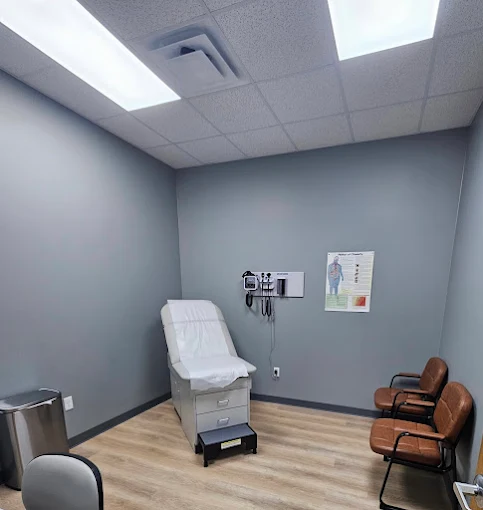

Why Choose Hill Country Primary Care
We deliver personalized, patient-focused care designed to improve long-term health outcomes.
- Two providers and one office in New Braunfels, so you are not passed between clinics.
- Adults only. This is an internal medicine practice and we do not offer pediatric care.
- FibroScan liver assessments are done here in the office, with no needle and no recovery time.
- Part of Privia Medical Group.
- Open Monday to Friday, 8:00 AM to 5:00 PM, at 741 Generations Drive, Suite 205, New Braunfels.
FAQ
We've answered some of the questions we hear most often to help you better understand our services and what to expect.

What are signs of low testosterone?
Common signs can include fatigue, low energy, reduced muscle mass, low mood, and decreased libido. These symptoms can have several causes, so a full evaluation and lab testing are needed to determine if low testosterone is the underlying issue.
How is TRT administered?
TRT can be administered in several forms depending on your treatment plan. Your provider will discuss the options available and recommend the best fit for you.
Are there risks or side effects?
As with any medical treatment, TRT carries potential risks and side effects, which your provider will review with you before starting treatment. Ongoing monitoring helps manage these risks throughout your program.
How long before I notice results?
Results vary by patient. Your provider will discuss realistic timelines based on your individual health profile during your consultation.
Will I need ongoing bloodwork?
Yes. Regular lab monitoring is a standard part of TRT to help ensure your treatment remains safe and effective over time.
New Braunfels, TX. Monday to Friday, 8:00 AM to 5:00 PM.