
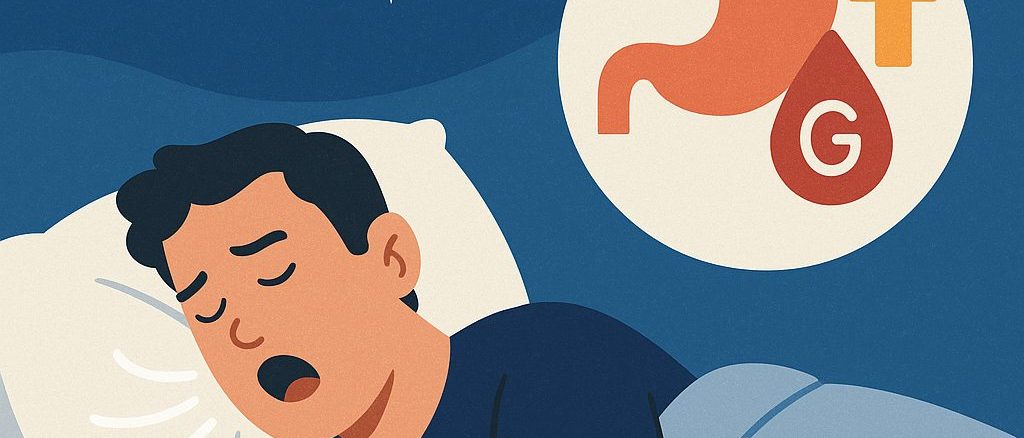
If you’re trying to lose weight but feel stuck despite dieting and exercise, your sleep might be the missing puzzle piece. Many people don’t realize that sleep quality, especially when affected by sleep apnea, has a direct impact on metabolism, hunger, fat storage, and energy levels. Poor sleep does more than leave you tired. It can slow down how fast you burn calories.
Let’s break down how sleep apnea affects metabolism and why it becomes harder to lose weight when you’re not sleeping well.
What Is Sleep Apnea?
Sleep apnea is a disorder where your breathing repeatedly stops and starts during sleep. The most common type is Obstructive Sleep Apnea (OSA), where the airway collapses or becomes blocked.
People with sleep apnea often experience:
- Loud snoring
- Gasping or choking during sleep
- Daytime fatigue
- Poor focus
- Morning headaches
But beneath these visible symptoms, sleep apnea is also disrupting your hormonal and metabolic balance.
How Poor Sleep Slows Down Metabolism
Your metabolism depends on hormonal stability, oxygen supply, and proper rest. Sleep apnea disrupts all three:
1. Hormonal Imbalance (Hunger Increases)
Sleep apnea lowers leptin (the hormone that signals fullness) and increases ghrelin (the hormone that triggers hunger).
This leads to:
- Constant cravings
- Overeating
- Weight gain around the stomach
Even if you eat normally, your body “thinks” it’s starving and demands more calories.
2. Insulin Resistance (More Fat Storage)
Poor sleep reduces your body’s ability to use insulin effectively. This results in:
- High blood sugar
- Increased fat storage
- Higher risk of diabetes
Your metabolism becomes slower, and fat, especially belly fat, becomes harder to burn.
3. Low Oxygen Levels (Reduced Fat Burning)
During sleep apnea episodes, oxygen drops. Low oxygen signals your body to store fat instead of burning it.
This interferes with:
- Fat breakdown
- Muscle recovery
- Calorie-burning efficiency
4. High Stress Hormones (Cortisol Spike)
Sleep apnea triggers repeated stress responses throughout the night, causing cortisol levels to stay elevated. High cortisol disrupts how weight loss works by:
- Increasing belly fat
- Heightening appetite and cravings
- Slowing down metabolism
When cortisol stays high, the body holds onto fat, making effective weight loss extremely difficult, even with diet and exercise.ult.
The Vicious Cycle: Weight Gain & Sleep Apnea
Weight gain worsens sleep apnea, and sleep apnea worsens weight gain, a dangerous loop. Fat around the neck and abdomen restricts airflow, and sleep apnea makes it harder to lose that fat.
Breaking this cycle requires improving sleep quality.
How Treating Sleep Apnea Helps Weight Loss
When sleep apnea is treated (using CPAP, lifestyle changes, or medical interventions):
- Hunger decreases
- Energy levels rise
- Metabolism becomes faster
- Exercise becomes easier
- Fat burning improves
Most people notice weight-loss results within weeks of better sleep.
Final Thoughts
If you’ve been struggling with weight loss, the problem may be your sleep rather than your effort. Sleep apnea silently disrupts hormones, slows metabolism, and increases fat storage. Addressing sleep apnea can dramatically improve your ability to lose weight and feel energized.
For proper diagnosis and long-term relief, explore our Sleep Medicine services
Leave feedback about this