
Table of Contents
Introduction
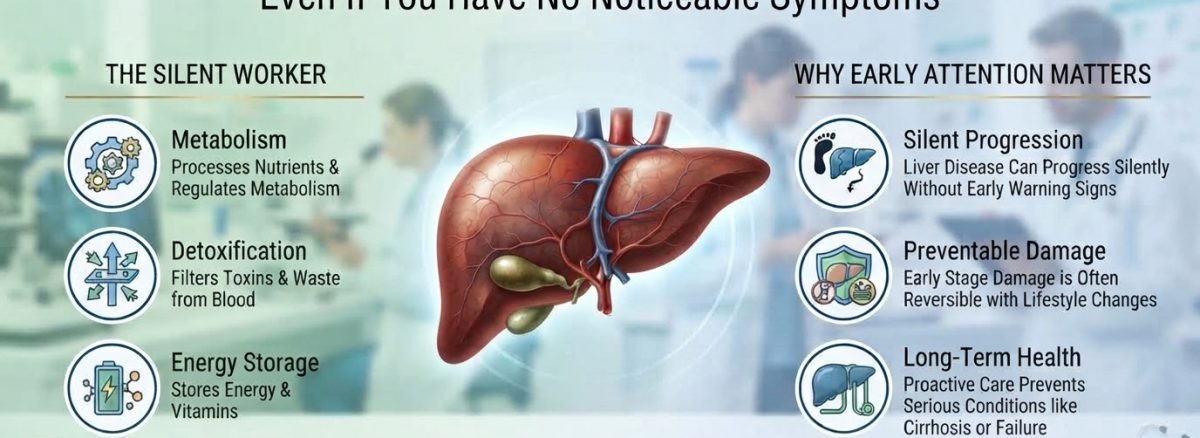
Your liver is one of the body’s most important organs, performing hundreds of essential functions every day. It helps process nutrients, remove harmful substances from the blood, produce bile for digestion, and regulate important metabolic processes. However, liver problems can develop silently, with few or no noticeable symptoms during the early stages. Understanding the importance of liver health and getting appropriate health screenings can help identify potential problems before they become more serious.
Why Liver Health Is So Important
The liver plays a central role in maintaining overall health. It processes nutrients from food, stores certain vitamins and minerals, helps regulate blood sugar, and produces proteins needed for blood clotting. It also helps break down medications, alcohol, and other substances.
Because the liver has a remarkable ability to function despite damage, a person may feel completely healthy while an underlying liver condition is developing. This is why maintaining liver health should be part of routine preventive healthcare.
Liver Disease Can Develop Without Symptoms
Early Liver Problems May Be Silent
Many liver conditions do not cause obvious warning signs in their early stages. Conditions such as fatty liver disease, viral hepatitis, and other forms of liver damage may progress without causing significant discomfort.
When symptoms eventually appear, they may include fatigue, abdominal discomfort, yellowing of the skin or eyes, dark urine, swelling, or unexplained changes in weight. By that point, liver damage may already be more advanced.
Common Risk Factors to Consider
Several factors can increase the risk of liver problems, including obesity, type 2 diabetes, high cholesterol, excessive alcohol consumption, certain medications, and viral hepatitis. A sedentary lifestyle and poor dietary habits may also contribute to metabolic conditions associated with liver disease.
Knowing your personal risk factors can help you and your healthcare provider determine whether liver function tests or additional screening may be appropriate.
How to Support Better Liver Health
Maintain a Healthy Weight
Excess body weight, particularly around the abdomen, can increase the risk of developing metabolic dysfunction-associated steatotic liver disease (MASLD), commonly known as fatty liver disease. Maintaining a healthy weight through balanced nutrition and regular physical activity can support better liver function.
Eat a Balanced Diet
A diet rich in vegetables, fruits, whole grains, lean proteins, and healthy fats can support overall metabolic and liver health. Limiting highly processed foods, excessive added sugars, and unhealthy fats may also be beneficial.
Limit Alcohol and Avoid Unnecessary Risks
Excessive alcohol consumption can damage liver cells over time. Following recommended alcohol limits—or avoiding alcohol when medically appropriate—can reduce unnecessary stress on the liver. It is also important to take medications only as directed and discuss supplements with a healthcare professional.
When Should You Talk to a Doctor?
Regular healthcare visits can provide opportunities to evaluate factors that may affect liver health. Depending on your age, medical history, medications, symptoms, and risk factors, a healthcare provider may recommend blood tests such as liver function tests or additional evaluation.
Early identification of liver abnormalities can make it easier to address contributing factors and prevent further complications.
Conclusion
Liver health matters even when you feel completely healthy because many liver conditions can develop silently. Supporting a healthy weight, eating a balanced diet, limiting alcohol, staying physically active, and attending regular health checkups can help protect this vital organ. If you have risk factors for liver disease or concerns about your liver function, speaking with a qualified healthcare professional can help you determine the appropriate next steps. For adults in New Braunfels, TX, regular preventive care and personalized medical guidance can be an important part of maintaining healthy liver function and overall well-being.
Leave feedback about this