
Table of Contents
Introduction
Your liver performs hundreds of essential functions every day, including filtering toxins, processing nutrients, storing energy, and supporting healthy digestion. Despite its importance, liver disease often develops silently, with few or no noticeable symptoms in its early stages. By the time symptoms appear, significant liver damage may have already occurred.
A FibroScan Liver Health Assessment is a quick, non-invasive test that helps healthcare providers evaluate liver health without surgery or a biopsy. Early liver screening can identify potential problems before they become serious, allowing patients to receive timely treatment and make lifestyle changes that support long-term wellness.
What Is a FibroScan Liver Health Assessment?
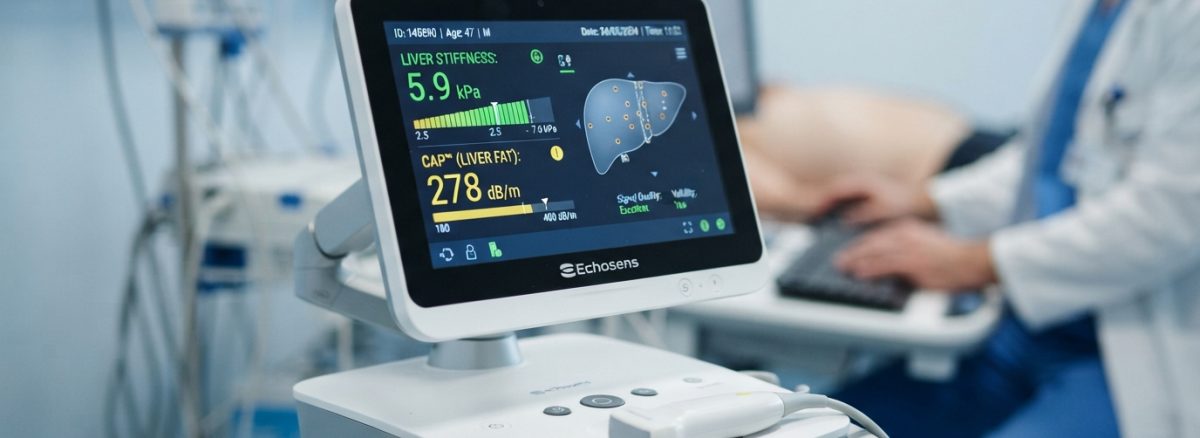
A FibroScan is an advanced diagnostic test that measures the stiffness of the liver using painless ultrasound-based technology. Increased liver stiffness may indicate fibrosis (scarring), while additional measurements can help assess the amount of fat stored in the liver.
Unlike a traditional liver biopsy, a FibroScan does not require needles, incisions, or recovery time. The procedure is comfortable, fast, and performed in an outpatient setting, making it a convenient option for many patients.
What Happens During the Procedure?
Most FibroScan appointments take only a few minutes to complete. The test is simple and does not involve anesthesia or sedation.
Before the Test
Your healthcare provider may ask you to avoid eating for several hours before your appointment. Following these instructions helps improve the accuracy of the results.
During the Assessment
You will lie comfortably on an examination table while a trained healthcare professional places a small handheld probe against the skin over your liver. The device sends gentle sound waves through the liver to measure its stiffness and overall condition.
The test is painless, and most patients feel only a light tapping sensation during the procedure.
After the Test
Once the assessment is complete, you can return to your normal daily activities immediately. Your healthcare provider will review the results and discuss whether additional testing, lifestyle changes, or follow-up care is recommended.
Why Early Liver Screening Is Important
Many liver conditions develop gradually without obvious warning signs. Early screening allows healthcare providers to detect changes before permanent damage occurs.
A FibroScan may help identify:
Liver Fibrosis
Scarring of the liver can develop over time due to chronic inflammation. Detecting fibrosis early gives patients the opportunity to begin treatment before the condition progresses.
Fatty Liver Disease
Excess fat stored in the liver can increase the risk of inflammation and long-term liver damage. Early diagnosis allows patients to make healthy lifestyle changes that may improve liver function.
Ongoing Liver Health Monitoring
For individuals with existing liver conditions or increased risk factors, regular liver assessments can help monitor disease progression and evaluate how well treatment plans are working.
Who Should Consider a FibroScan?
Although anyone can benefit from understanding their liver health, certain individuals may have a higher risk of liver disease.
Common Risk Factors
Your healthcare provider may recommend a FibroScan if you:
- Have obesity or excess body weight
- Have type 2 diabetes
- Have high cholesterol or metabolic syndrome
- Have elevated liver enzyme levels
- Have a family history of liver disease
- Have been diagnosed with fatty liver disease
- Want to monitor liver health as part of ongoing preventive care
Because many liver conditions have no early symptoms, screening may be recommended even if you feel healthy.
Supporting Long-Term Liver Health
A FibroScan is only one part of maintaining good liver health. Your healthcare provider may also recommend healthy eating habits, regular physical activity, weight management, routine preventive care, and ongoing monitoring when appropriate.
Taking a proactive approach allows patients to reduce risk factors, improve overall wellness, and protect liver function for the future.
Conclusion
A FibroScan Liver Health Assessment offers a safe, quick, and non-invasive way to evaluate liver health before symptoms appear. Early liver screening can detect fibrosis, fatty liver disease, and other changes that may otherwise go unnoticed until they become more serious. By identifying potential concerns early, patients and healthcare providers can work together to develop personalized care plans that support healthier outcomes. Making liver health a part of your routine preventive care is an important step toward protecting your overall well-being and maintaining long-term health.
Leave feedback about this