
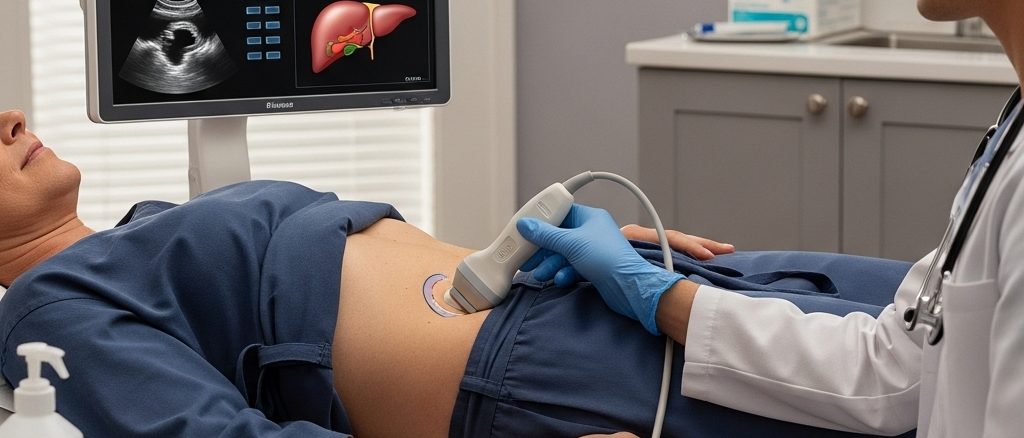
Your liver quietly handles hundreds of essential functions, filtering toxins, processing nutrients, regulating cholesterol, and supporting metabolism. But unlike other organs, it rarely shows symptoms early when something is wrong. This is why liver diseases such as fatty liver, fibrosis, and cirrhosis often go unnoticed until they become serious. Fortunately, technology now allows us to check liver health without painful procedures. One of the most advanced tools available today is FibroScan, a non-invasive, painless, and highly accurate method for assessing liver condition in minutes.
What Exactly Is a FibroScan?
FibroScan is similar to an ultrasound. It uses vibration-controlled transient elastography to measure liver stiffness and fat levels. The device sends gentle pulses through the liver and analyzes how fast they travel. This helps determine two essential things:
- Liver stiffness (Fibrosis level)
- Liver fat content (Steatosis level)
These measurements provide a clear picture of your liver’s health without needing surgery, needles, or downtime.
What Does a FibroScan Show You?
1. Fibrosis (Liver Stiffness Score)
Fibrosis is scarring of the liver caused by inflammation. This happens due to conditions like:
- Fatty liver (NAFLD/NASH)
- Hepatitis B or C
- Alcoholic liver disease
- Obesity and diabetes
FibroScan measures fibrosis on a scale from F0 to F4:
- F0-F1: Normal or mild scarring
- F2: Moderate fibrosis
- F3: Advanced scarring
- F4: Cirrhosis (severe, long-term damage)
Knowing your fibrosis stage helps determine if your liver is still healthy or needs serious medical attention.
2. Steatosis (Liver Fat Score – CAP Score)
This measures how much fat is stored inside the liver. Steatosis is the first sign of fatty liver disease and often develops silently.
The CAP score classifies fat levels into:
- S0: Normal
- S1: Mild fat
- S2: Moderate fat
- S3: Severe fat buildup
High liver fat is directly linked to diabetes, heart disease, weight gain, and metabolic problems. FibroScan helps catch this early so you can reverse it with diet, exercise, and lifestyle changes.
Why FibroScan Matters for Everyone
Even if you feel perfectly fine, you may still have liver damage, especially if you:
- Have belly fat or obesity
- Eat a high-carb, high-sugar diet
- Have high cholesterol
- Have diabetes or insulin resistance
- Drink alcohol
- Experience chronic fatigue
A FibroScan can detect problems long before symptoms appear.
The Benefits of Doing a FibroScan
- Non-invasive & painless
- No fasting needed (in most cases)
- Results in 5-10 minutes
- Highly accurate
- Tracks liver improvement over time
It’s one of the most reliable tools for early liver disease detection.
Final Thoughts
Your liver keeps you alive and healthy every single day, but it needs monitoring just like your heart or blood pressure. A quick FibroScan can reveal hidden problems and help you take action before liver damage becomes permanent. If you’re overweight, diabetic, or experiencing fatigue, now is the best time to check your liver health.
For a complete, structured approach to improving your health, explore our Medically Supervised Weight Loss Blog.
Leave feedback about this