
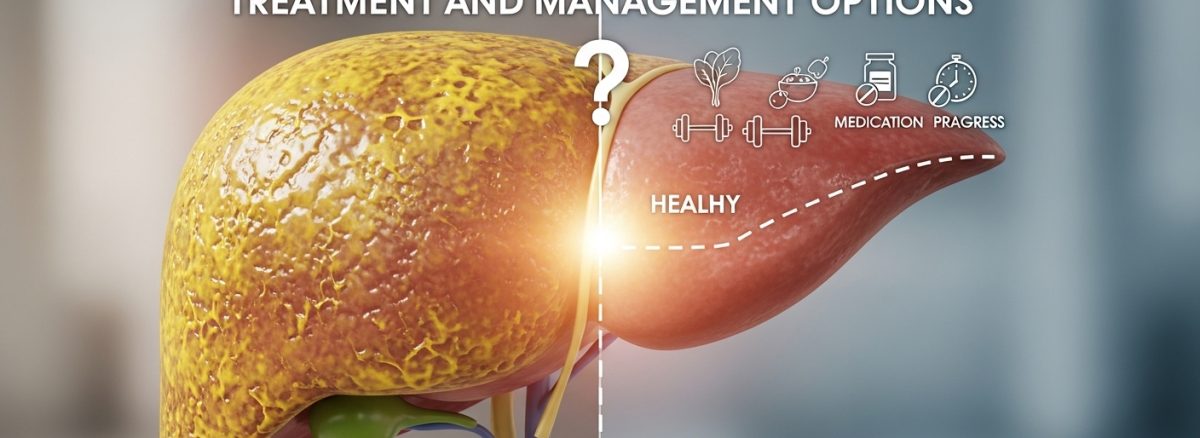
Fatty liver disease, also known as hepatic steatosis, occurs when excess fat builds up in the liver. It is becoming increasingly common, especially among adults with obesity, diabetes, high cholesterol, or metabolic syndrome. The good news is that fatty liver can often be reversed, especially when diagnosed early and managed properly under medical guidance.
Understanding Fatty Liver Disease
Fatty liver disease is generally divided into two main types:
- Non-alcoholic fatty liver disease (NAFLD), which is not related to alcohol use and is often linked to metabolic conditions
- Alcohol-related fatty liver disease, caused by excessive alcohol intake
Many patients have few or no symptoms in the early stages. Fatty liver is often discovered during routine blood tests or imaging studies done for other reasons. If left unmanaged, it can progress to inflammation, scarring (fibrosis), or even cirrhosis.
Can Fatty Liver Be Reversed?
In many cases, yes. Fatty liver disease is often reversible when lifestyle changes are made and underlying risk factors are treated. The liver has a remarkable ability to heal when excess fat and inflammation are reduced.
Early intervention is key. Patients who address fatty liver before significant scarring develops have the best outcomes.
Treatment and Management Options
1. Weight Management
Weight loss is one of the most effective ways to improve fatty liver. Losing even 5-10% of body weight can significantly reduce liver fat and improve liver enzyme levels. Medical weight management programs can help patients lose weight safely and sustainably.
2. Healthy Nutrition
A balanced diet plays a major role in liver health. Reducing processed foods, added sugars, and refined carbohydrates while focusing on lean proteins, vegetables, whole grains, and healthy fats can help lower liver fat. Limiting sugary beverages and high-fructose foods is especially important.
3. Regular Physical Activity
Physical activity helps improve insulin sensitivity and reduces fat accumulation in the liver. Moderate exercise, such as brisk walking, for at least 150 minutes per week can make a meaningful difference.
4. Managing Underlying Conditions
Conditions such as diabetes, high blood pressure, and high cholesterol contribute to fatty liver disease. Proper management through medications, lifestyle changes, and regular monitoring is essential to prevent progression.
5. Alcohol Reduction
For patients with alcohol-related fatty liver or combined risk factors, reducing or avoiding alcohol is critical to liver recovery.
6. Ongoing Medical Monitoring
Regular follow-up with a primary care provider or internal medicine specialist is important. This may include blood tests, imaging, and monitoring of metabolic health to track improvement and prevent complications.
The Role of Primary Care
Primary care and internal medicine providers play a central role in diagnosing, managing, and monitoring fatty liver disease. Through personalized care plans, lifestyle guidance, and coordination of care, patients can take meaningful steps toward reversing fatty liver and protecting long-term liver health.
Final Thoughts
Fatty liver disease does not have to be permanent. With early diagnosis, lifestyle changes, and proper medical support, many patients can successfully reverse the condition and improve their overall health. If you have concerns about liver health, consulting with a healthcare provider is an important first step.
Leave feedback about this