
Table of Contents
Introduction
Diabetes is a long-term condition that requires ongoing attention rather than occasional treatment. One of the most important parts of diabetes care is maintaining healthy blood sugar levels over time. Consistent blood sugar control can help reduce the risk of complications and support better overall health.
Because diabetes can affect multiple parts of the body, regular monitoring, healthy lifestyle habits, appropriate treatment, and routine medical follow-up all have an important role in long-term management.
Why Consistent Blood Sugar Control Matters
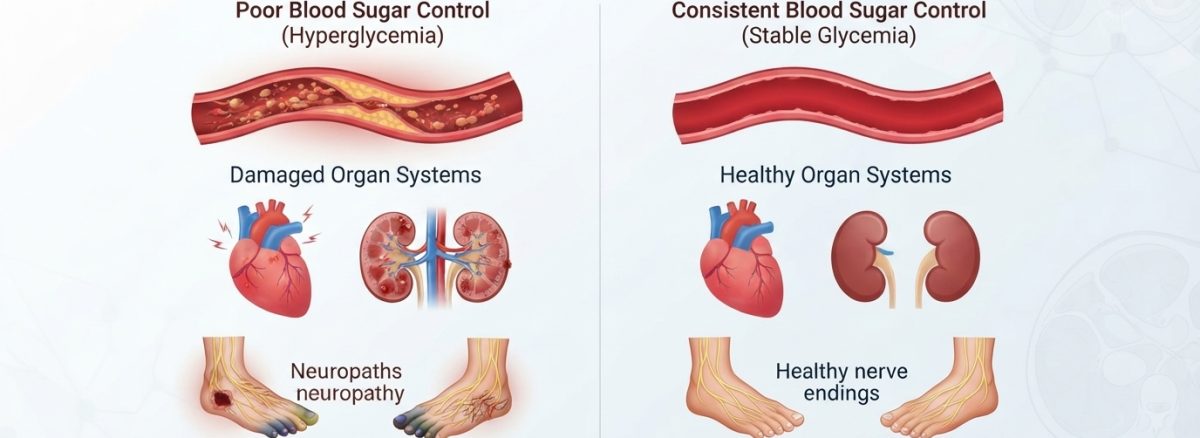
When blood glucose remains higher than recommended for extended periods, it can gradually affect blood vessels, nerves, kidneys, eyes, and the cardiovascular system. The risk of complications can vary from person to person depending on factors such as the type of diabetes, overall health, medications, and other medical conditions.
Consistent management does not mean that blood sugar will always be exactly the same. Instead, it involves working with a healthcare provider to understand glucose patterns and follow an individualized care plan.
Regular Monitoring Can Identify Changes Early
Routine blood sugar monitoring and recommended laboratory testing can help healthcare providers understand how well diabetes is being managed. Tests such as A1C may provide information about average blood glucose levels over a period of time.
Regular appointments also give patients an opportunity to discuss medication effectiveness, lifestyle changes, symptoms, and challenges with their treatment plan. Early identification of changes can allow the care plan to be reviewed before problems become more difficult to manage.
Lifestyle Habits Support Diabetes Management
Healthy daily habits are an important part of long-term diabetes care. Balanced nutrition, regular physical activity, adequate sleep, and maintaining a healthy weight can support blood sugar management.
For adults who are also managing excess weight, medical weight management may be another component of an individualized healthcare plan. Hill Country Primary Care provides Weight Loss & Obesity Medicine as part of its adult healthcare services, including provider-directed medical weight loss when appropriate.
The Role of Primary Care in Long-Term Diabetes Health
Diabetes management often involves more than monitoring glucose alone. A primary care provider can help monitor related health factors such as blood pressure, cholesterol, weight, and other indicators that may influence long-term health.
Hill Country Primary Care offers Chronic Disease Management for conditions including diabetes, high blood pressure, and high cholesterol, along with Preventive Care & Health Screenings and routine blood work.
This makes primary care an important part of maintaining continuity and reviewing changes over time.
Conclusion
Consistent blood sugar control is an important part of protecting long-term health for people living with diabetes. Regular monitoring, appropriate treatment, healthy lifestyle habits, weight management when needed, and ongoing primary care can work together to support effective diabetes management.
For adults in New Braunfels, TX, Hill Country Primary Care provides primary care, chronic disease management, preventive health services, and medical weight management designed around individual healthcare needs.
Leave feedback about this